
Let technology become your strength
From first spark to junior robotics engineer
Ages 6–18 · Project-based · One in-depth engineering project a year
Robotics | Electronics | 3D printing | AI
- 4 stages · 12 levelsA structured growth path
- 30 × 90 minutesPractice-led classes
- 3 core fieldsMechanics · Electronics · AI
- Real projectsReal results to show
- Small classes6–10 students per class
- Competition-ready workFrom interest to the stage
A technology path from 6 to 18
A programme for every age, so children keep growing through what they enjoy.
Ages 6–8
Discovery
Discover through play, build hands-on skill and creativity
01
Ages 9–11
Engineering basics
Learn to think like an engineer and master the basics
02
Ages 12–15
Advanced engineering
Take on harder projects and build engineering skill
03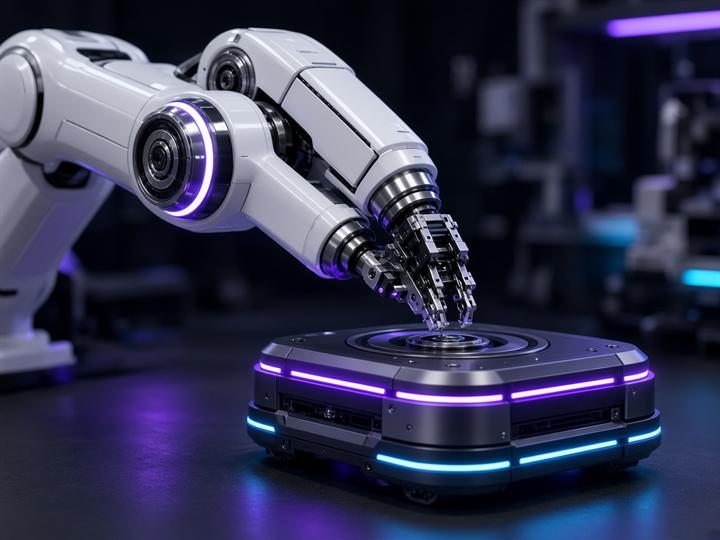
Ages 16–18
Engineering challenges
Innovate on real problems, prepare for study and work
04
L1 – L12 level system
A clear path from curiosity to skill, with a goal at every step.
Ages 6–8Discovery
- L1
- L2
- L3
Ages 9–11Basics
- L4
- L5
- L6
Ages 12–15Advanced
- L7
- L8
- L9
Ages 16–18Challenges
- L10
- L11
- L12
Three core fields of robotics
Disciplines combined, to build engineering skill for the future.
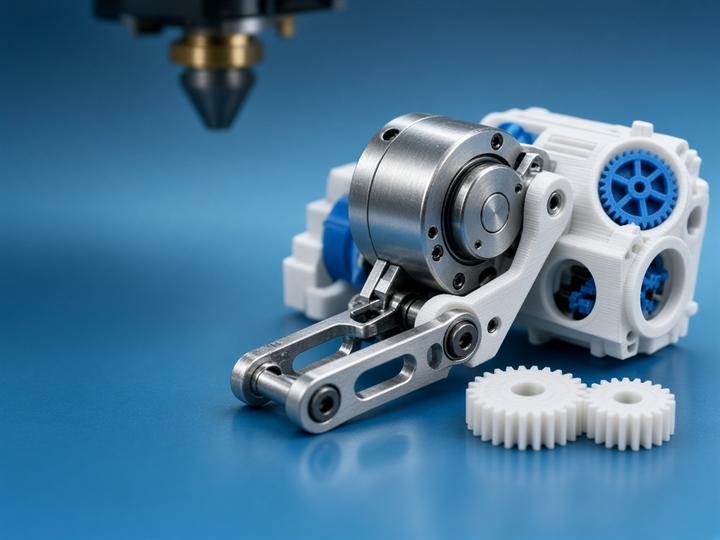
3D & mechanical design
From model to object, making something you can see.
- 3D modelling and design
- 3D printing and making
- Robot structure and mechanics
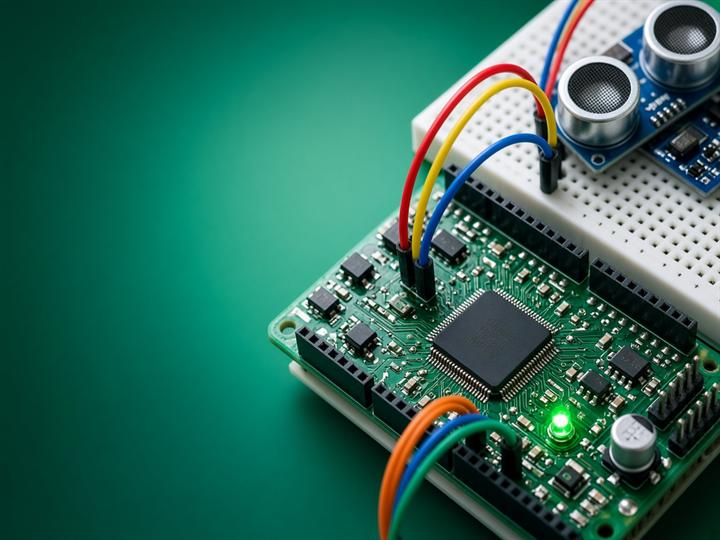
Electronics & sensors
Giving robots perception and interaction.
- Circuit design and wiring
- Sensors and measurement
- From parts to a whole system
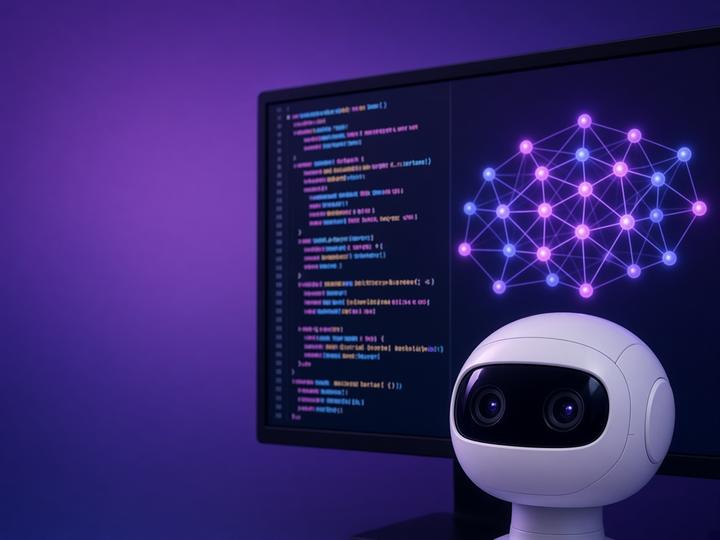
Coding, algorithms & AI
Making robots act with judgment.
- Block coding, then Python
- AI applied to robots
- ROS2 and robot systems
Signature year-long projects
Learn on real projects, grow by making.

Space explorer rover
Ages 6–8 · Discovery
Design and build a small explorer rover.
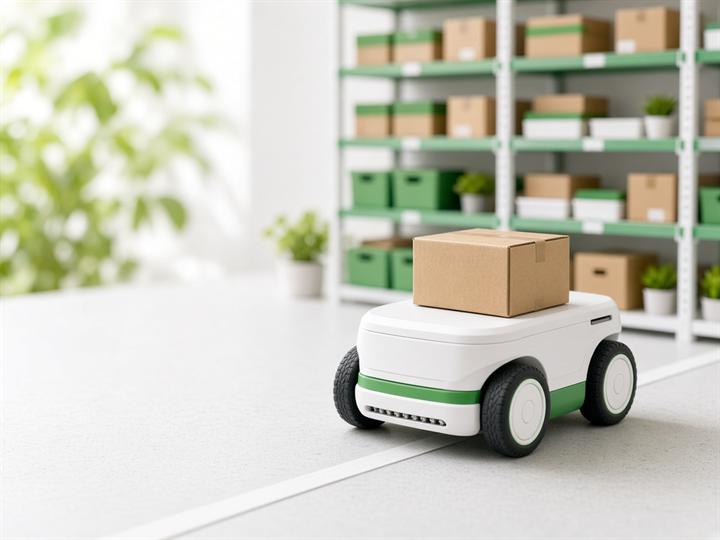
Obstacle-avoiding robot
Ages 9–11 · Practice
Read the surroundings and plan a path.
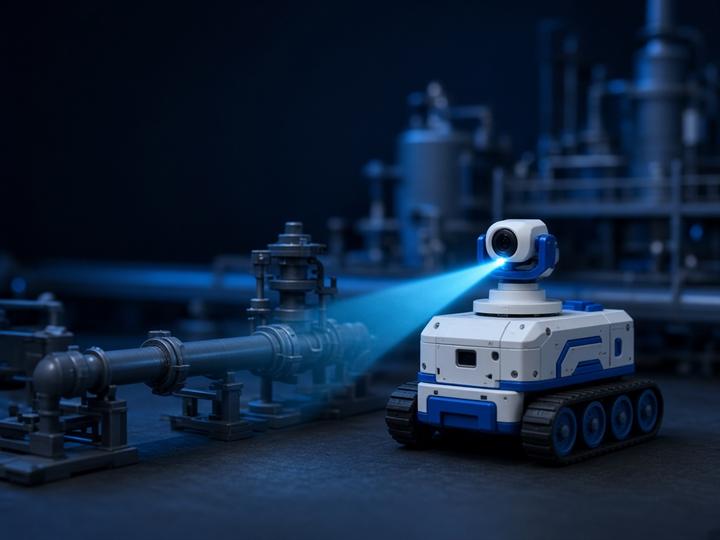
AI vision carrier
Ages 12–15 · Applied AI
Computer vision and AI to carry a load.
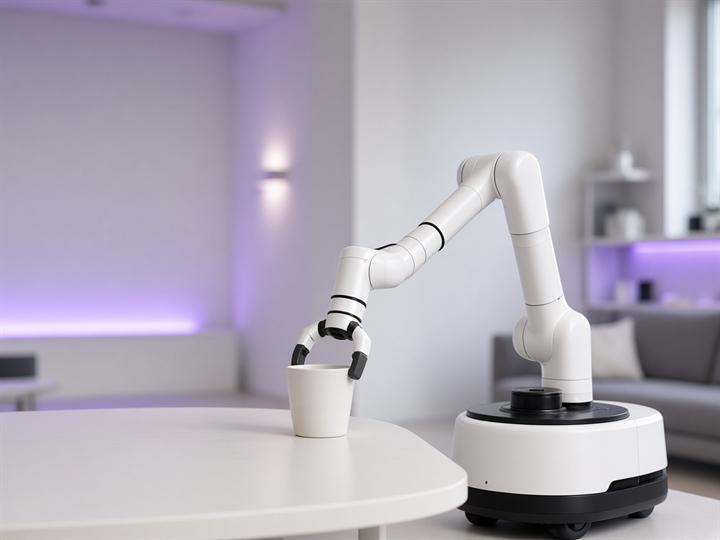
Autonomous service robot
Ages 16–18 · Challenge
Combine disciplines into a service robot.
Why parents choose Academy AI Robot
More than a hobby class: engineering education aimed at the future.
- Project-based learningLearning driven by a real project
- Small-group coaching6–10 students per class
- Progress you can seeChildren can see their own progress
- A clear frameworkMapped to the L1–L12 path
- Competition & engineeringSkills built in real challenges
- Interest, linked to the futureStrength for what comes next
How classes work
Learning by doing, so every hour counts.
- 6–10 studentsAttention for every child
- 1.5 hours each classHands-on work and project progress
- About 30 classes a yearSteady learning, week by week
- Weeks 23–28Foundations, then the project
- Weeks 29–30: showcaseBuilt around a personal goal
Competitions & results
A bigger stage, so children can be seen.
- Coupe de France de Robotique JeunesFrench youth robotics cup
- 2nd in Île-de-FranceRegional-round result
- Prix Technique 2026First technical prize in Île-de-France
- Prix Technique 2025The only technical prize
- Projects on showStudent work recognised on international stages

Join Academy AI Robot
Give your child skills for today and for tomorrow.
- Paris 3rd
- Easy access
- A smarter future, together